Gauja National Park — Best Easy Routes for Walkers Over 60
Three comfortable day hikes with flat terrain, rest areas every 2 km, and stunning river views throughout the park.
Read GuideHow to prepare for hiking as a retiree. We cover what to pack, best seasons, hydration strategies, and how to pick routes that match your fitness level without causing strain.
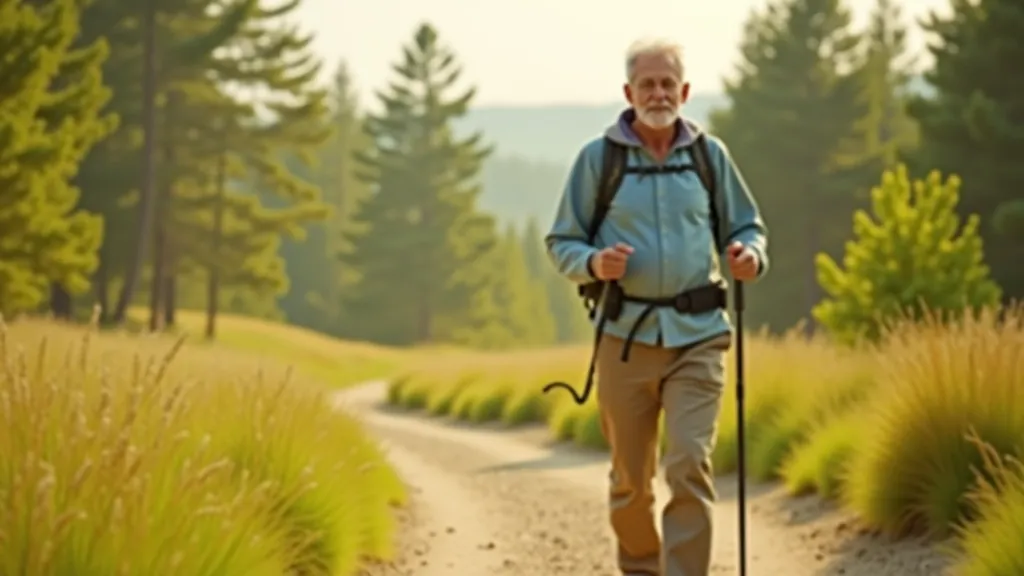

Hiking after 60 isn't about pushing yourself to the limit. It's about enjoying nature at a pace that feels right for you. That's the whole point. The difference between a great day outdoors and an exhausting one often comes down to preparation. You're not training for a marathon — you're planning a pleasant walk that you'll actually enjoy and want to repeat.
We've worked with hundreds of hikers in their 60s, 70s, and beyond. What we've learned is simple: a little planning goes a long way. Knowing what to bring, when to go, and which trails suit your fitness level makes all the difference. You'll feel more confident, recover better, and actually look forward to the next hike.
Essential items to pack
Liters of water per day
Miles per hour ideal pace
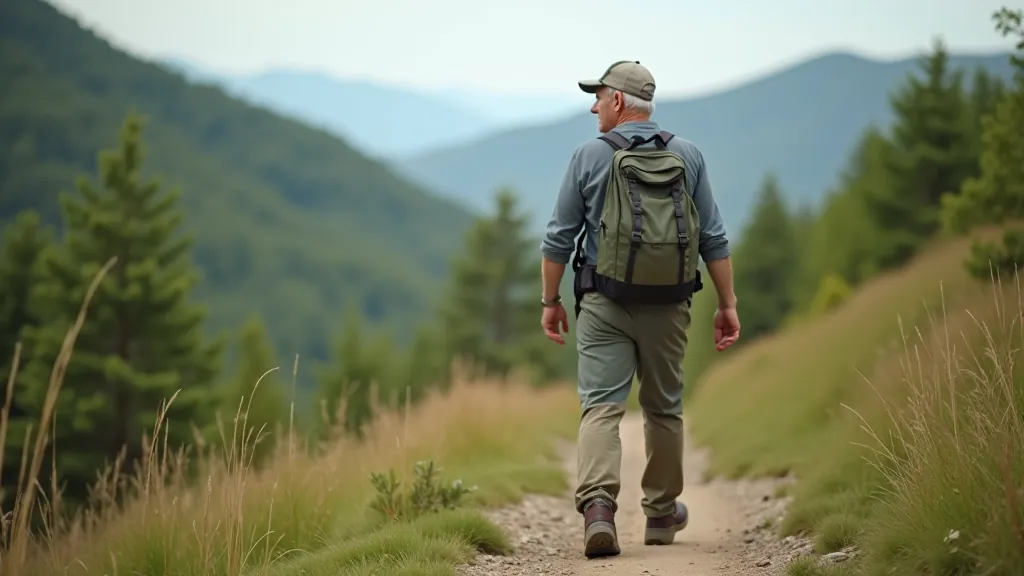
Forget the fancy gear magazines. Here's what you really need. A good pair of shoes — that's priority number one. You're not buying the most expensive pair, but shoes that fit properly and have decent arch support. We're talking about $80-120 for something reliable that won't give you blisters after 2 kilometers.
Beyond that, keep it simple. A lightweight backpack (15-20 liters is plenty), moisture-wicking layers instead of cotton, and a hat you'll actually wear. Most importantly: water. Don't skip this. You'll need between 3-4 liters depending on the season and distance. Dehydration sneaks up on you faster than you'd think, and it's the number one reason hikers feel exhausted afterward.
Pack a basic first aid kit, sun protection, and a light snack. Trail mix, a banana, or a granola bar — something that gives you energy without being heavy. Some people bring walking poles, and honestly, they're worth it. They take pressure off your knees on descents, which matters more as you get older.
This article provides educational information about hiking preparation and planning for seniors. Individual fitness levels vary significantly. Before starting any hiking program, especially if you have health concerns, joint issues, or haven't been active recently, consult your doctor or a healthcare provider. Conditions on trails change seasonally — always check current trail status before heading out. This guide is informational and doesn't replace professional medical advice or personalized fitness assessment.
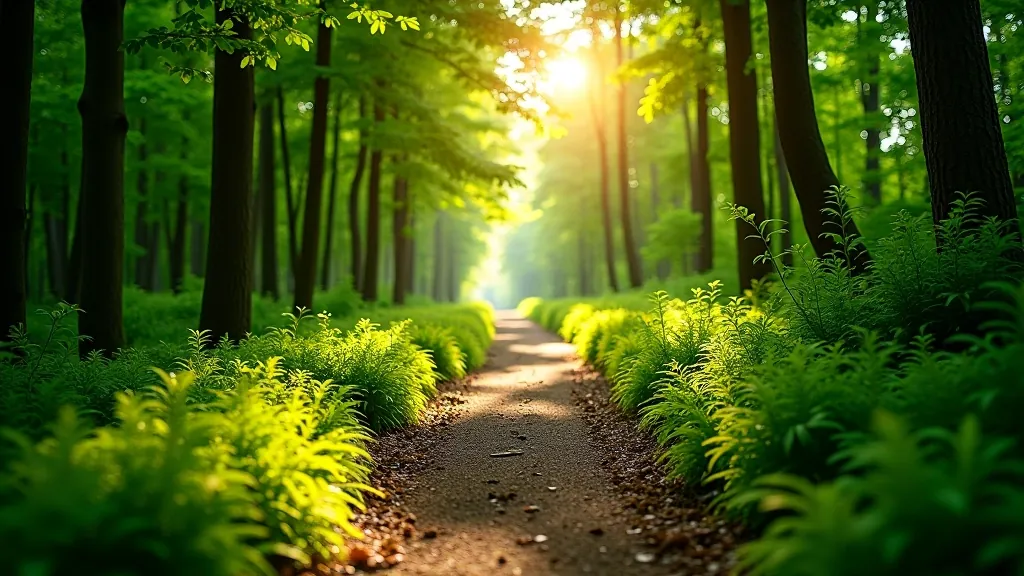
Not all trails are created equal. The mistake most people make is overestimating their fitness level and picking a route that's too ambitious. You're not being cautious — you're being smart. A 6-kilometer walk on flat terrain is completely different from a 4-kilometer hike with elevation changes. Elevation is what gets you, not distance.
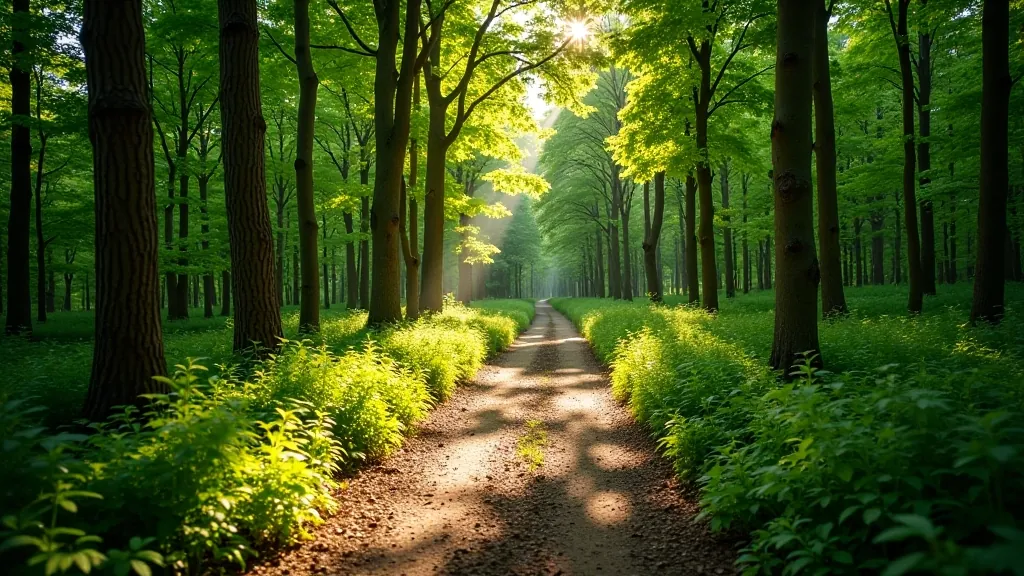
Start with routes that have less than 200 meters of elevation gain if you're just getting back into hiking. Rest areas every 1-2 kilometers matter more than you'd think. You want places to sit, catch your breath, and enjoy the view without feeling rushed. Most trail descriptions now include elevation profiles and rest point information — check these before you go.
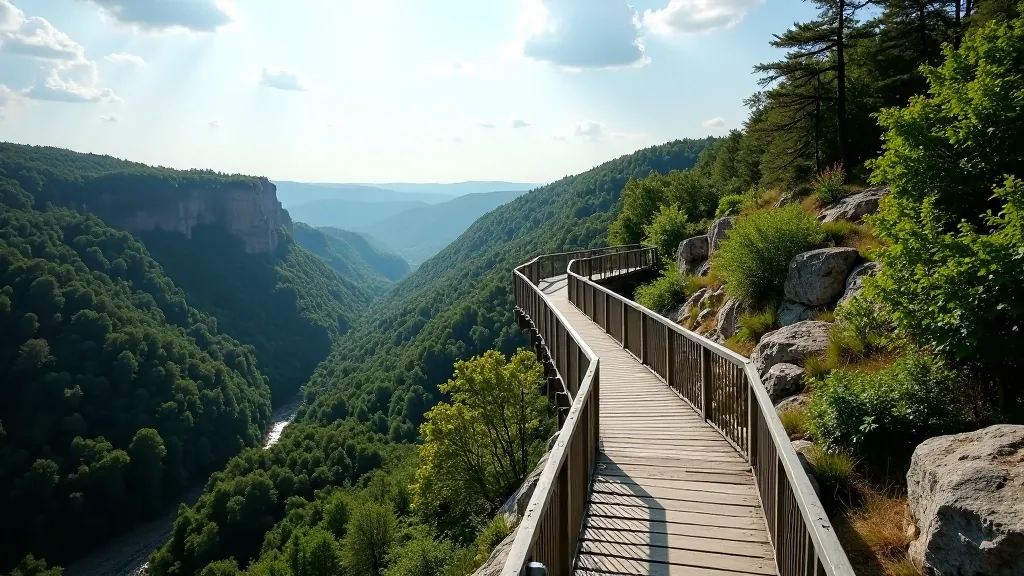
In Latvia, routes like the Gauja National Park trails are perfect for this. They're designed with seniors in mind, with comfortable grades and natural rest spots. Sigulda's cliff paths offer stunning views without brutal climbs. You don't need extreme difficulty to have a memorable day outdoors.
You'll feel the difference when you're properly hydrated. Thirst isn't always a reliable signal, especially for older adults. You might not feel thirsty until you're already dehydrated. That's why we recommend drinking water regularly — roughly every 30 minutes during the hike, not waiting until you feel parched.
Electrolyte drinks work well for longer hikes (over 2 hours). They replace sodium and minerals your body loses through sweat. But plain water works fine for shorter day hikes. The key is consistency. Sipping throughout the day beats guzzling a liter at once.
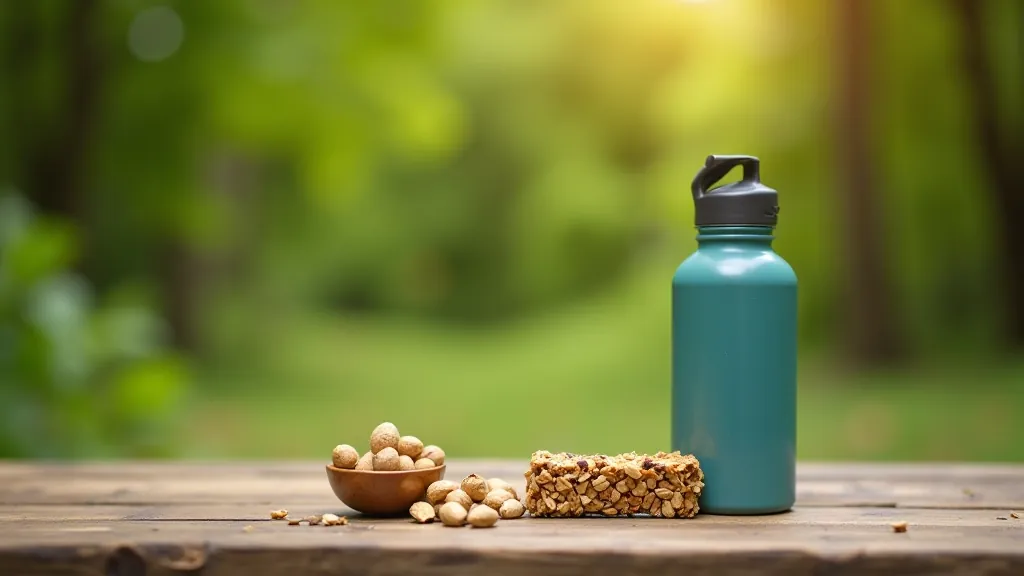
Snacking matters too. Your body burns energy constantly while hiking. Eat something every 60-90 minutes on longer walks. Nuts, dried fruit, or a sandwich at the halfway point keeps your energy level stable. You won't hit that afternoon crash if you're eating small amounts regularly. It's not about big meals — it's about steady fuel.
Longer daylight, moderate temperatures, but trails can be muddy. Wildflowers start appearing. Best months for starting your hiking season without extreme heat.
Perfect weather, but bring extra water. Start hikes early to avoid afternoon heat. Mosquitoes can be intense — consider insect repellent. Best for longer routes.
Fewer people, stunning colors, cooler temperatures. Shorter days mean starting earlier. Weather becomes unpredictable — check forecasts carefully.
Icy conditions make standard trails risky. Winter hiking requires different footwear and techniques. Consider snow-specific routes only if you're experienced.
What you do after the hike matters as much as what you do during it. Your body needs time to recover, especially in your 60s and beyond. Don't sit around immediately after finishing — walk slowly for 10 minutes to help your muscles transition. Stretch gently afterward, focusing on your calves, quads, and hamstrings.
Sore muscles 1-2 days after a hike are normal. That's just your body adapting. But sharp pain isn't. If something hurts beyond normal muscle soreness, it's worth checking with a doctor. Most people find that hiking every 5-7 days works well — it gives your body recovery time while keeping you active.
Hydrate after the hike too. Your body continues losing fluids for hours. Eating something with carbs and protein within an hour helps muscle recovery. A sandwich and some fruit does the job perfectly. Nothing fancy needed.
Leave your route and expected return time with a friend or family member. It's simple but genuinely important. Most issues don't happen, but when they do, this matters.
Plan to finish your hike well before sunset. Hiking in low light increases injury risk. Give yourself a comfortable time buffer — don't plan to arrive back right at dusk.
Band-aids, antibiotic ointment, pain reliever, blister treatment, and elastic wrap cover most situations. Keep it light — you don't need a full pharmacy.
Don't assume conditions haven't changed since last time. Check forecasts and recent trail reports. A rainstorm from two days ago might've made things muddy or unsafe.
If you're tired, turn back. There's no medal for pushing through. The best hike is one where you finish feeling good and want to do it again.
Hiking in your 60s, 70s, or beyond isn't about proving anything to anyone. It's about getting outside, enjoying nature, and keeping your body active in a way that feels sustainable. The difference between a great hiking life and one you abandon after a few painful attempts is simple: preparation. You've already got the information. Now it's about using it. Start with a route that feels easy. Bring water and a snack. Tell someone where you're going. Pay attention to how your body feels. That's genuinely all you need to start.
Routes like Gauja National Park, Sigulda's cliff paths, and Līgatne woodland trails are waiting for you. They're designed with people like you in mind. They won't disappoint. The real reward isn't reaching some distant peak — it's the feeling of being outside, moving at your own pace, and realizing you can still do this. That matters.
Explore More Senior Hiking Routes