Sigulda Cliff Paths — Guided Walking with Stunning Views
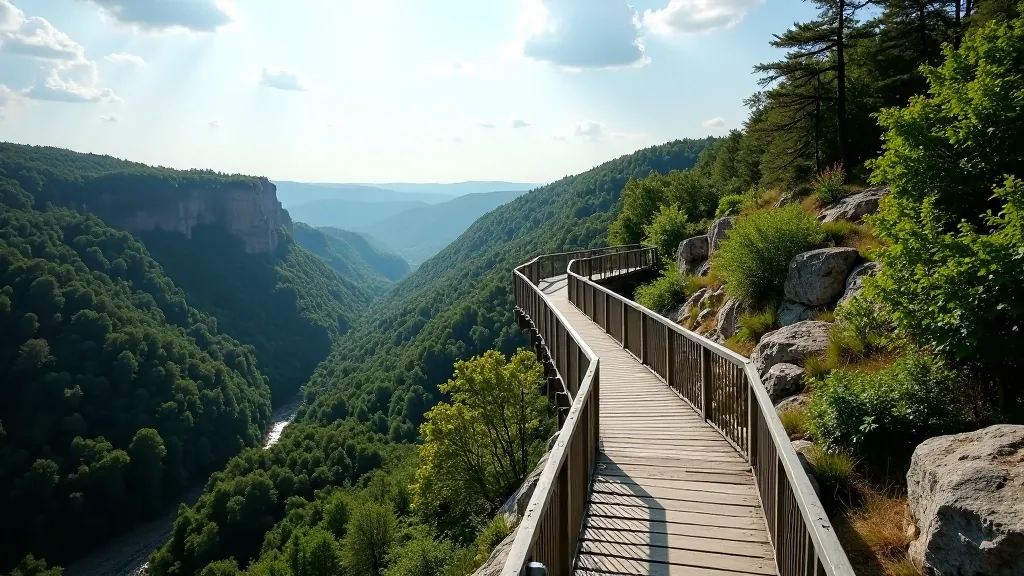
Walking tours along sandstone cliffs overlooking the Gauja River. Well-maintained paths with viewing platforms and rest areas every 500 meters.
Read GuideThree comfortable day hikes with flat terrain, rest areas every 2 km, and stunning river views. Trails take 2–3 hours and don't require special fitness.


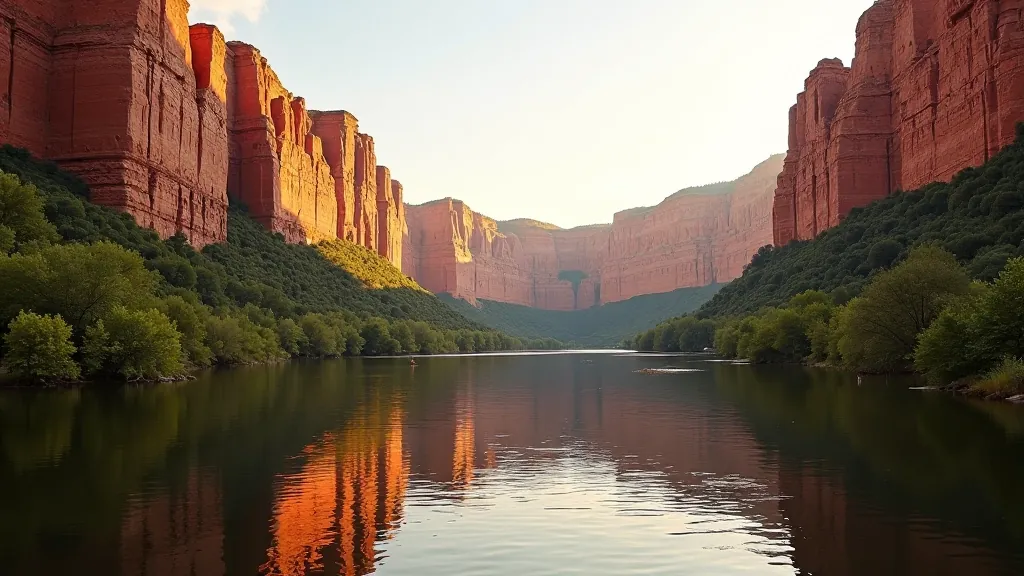
Gauja National Park's reputation comes from something simple — it's been designed with everyone in mind. You've got gentle paths that don't demand athletic ability, rest benches every couple of kilometers, and views that make the walk worthwhile. The river cuts through red sandstone cliffs, and you're walking alongside history. It's not about conquering mountains. It's about enjoying a morning outdoors with friends or family.
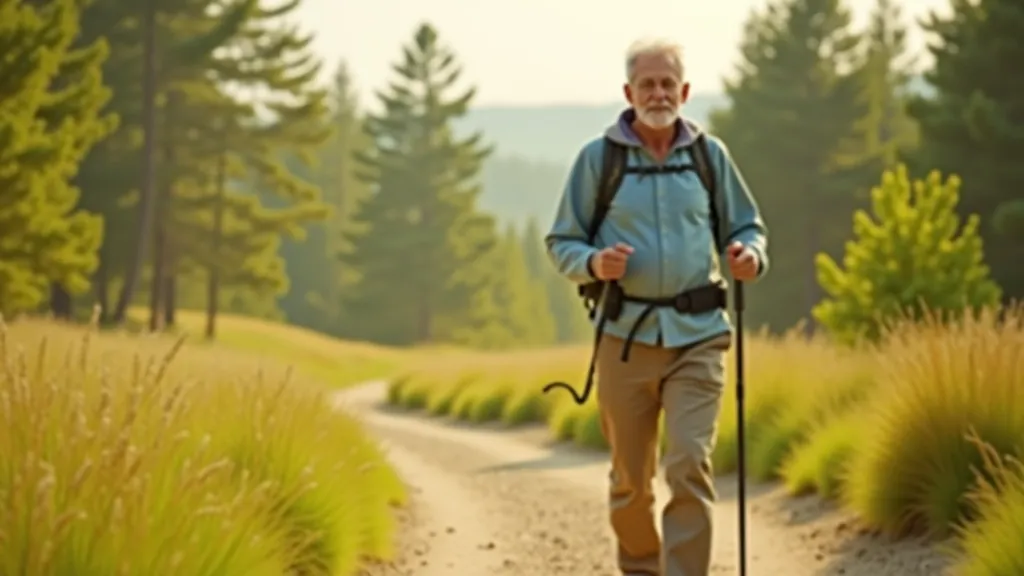
We're not talking about scrambling or steep ascents. The three routes we'll cover have flat terrain, proper signage, and places to catch your breath. Most walkers finish between 2 and 3 hours, which means you're home in time for lunch and not exhausted afterward.
This is the shortest of the three, making it ideal if you're easing back into regular walking or prefer something manageable in a single morning session. The path stays flat and hugs the river the entire way.
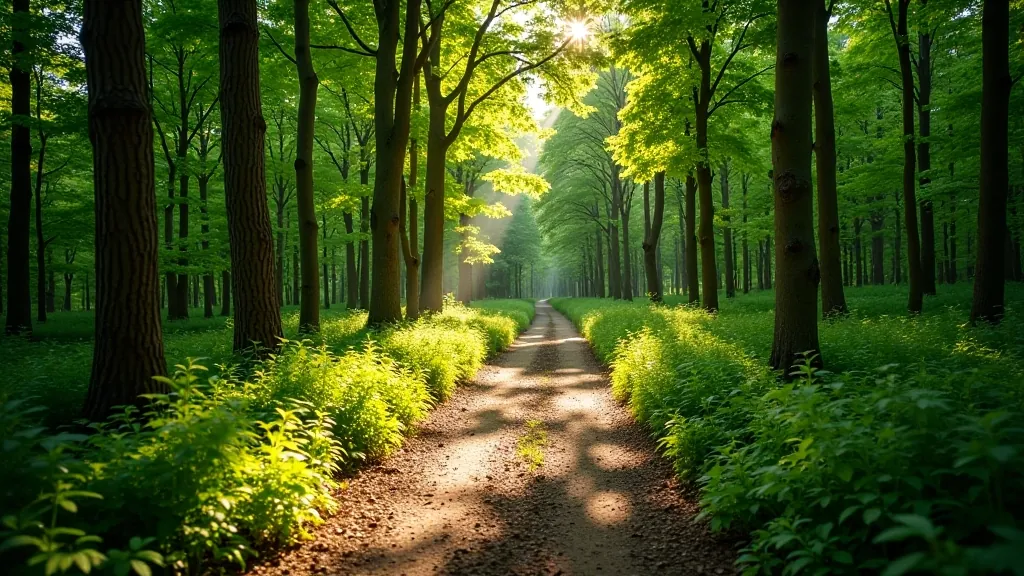
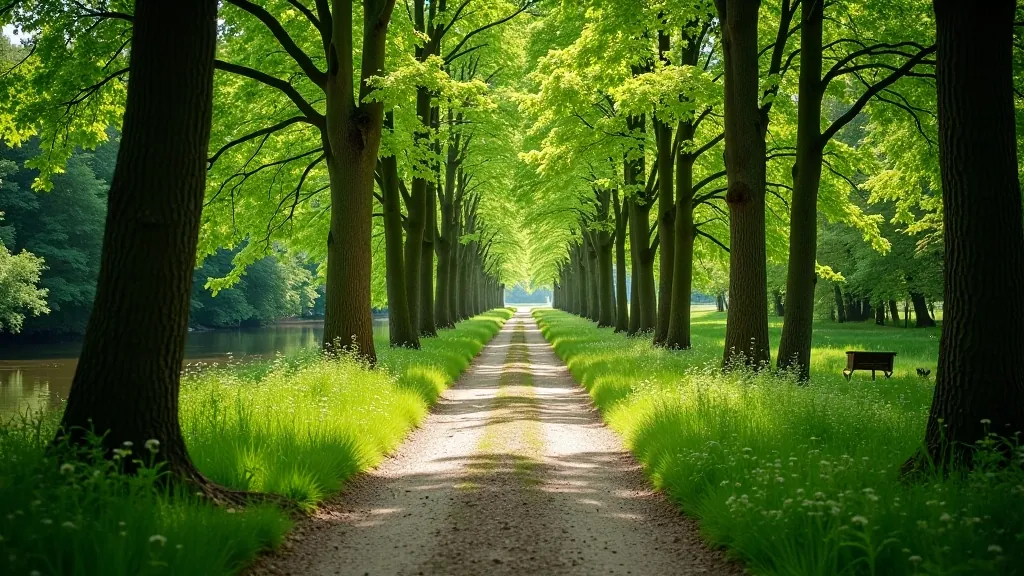
You'll walk through beech forest with open views of the river. There's a small café at the start point where you can grab water before heading out. Rest benches appear every 400 meters or so, so there's no pressure to keep moving if you want to sit and watch the water for a bit. The path's well-signposted, and you won't feel lost. It's also the least crowded of the three routes, especially on weekday mornings.
This guide is informational only. While these routes are designed for accessibility, everyone's fitness level varies. We recommend consulting your doctor before starting any new walking routine, especially if you have joint concerns or other health considerations. Bring water, wear proper footwear, and check weather forecasts before heading out. Trail conditions can change seasonally.
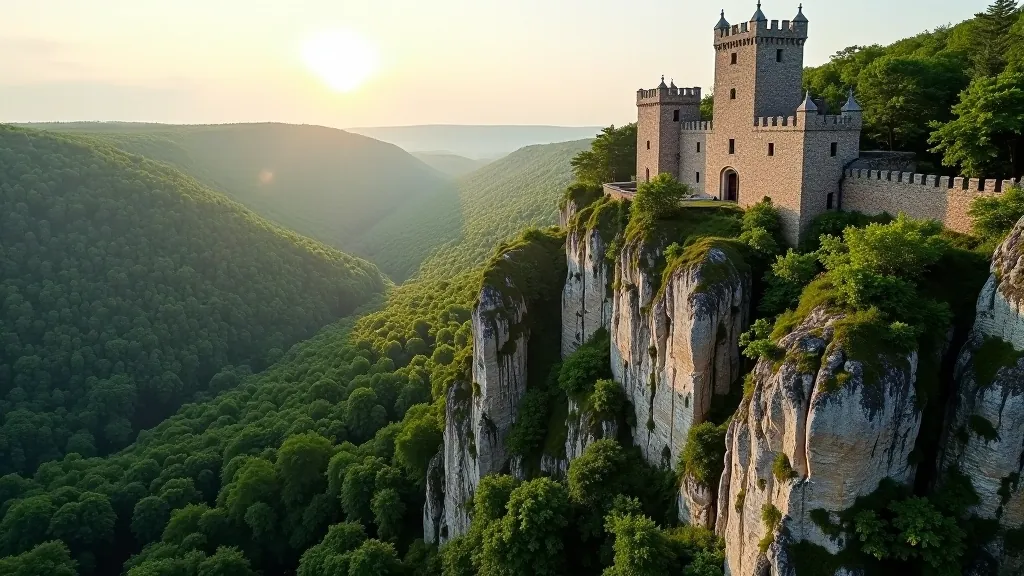
If you want something slightly longer but still manageable, this route includes a genuine attraction — a natural cave that's been part of local folklore for centuries. The walk builds in some minor elevation changes, but nothing steep. You're gaining maybe 40 meters total, spread across the whole route.
The cave itself is modest in size but genuinely interesting. You'll see carved names and marks from visitors dating back centuries. The path's well-trodden, and there's a viewing platform right at the cave entrance. The whole experience feels less like a strenuous hike and more like exploring. Benches are positioned at natural stopping points, including right before the cave, so you can rest before and after the final push.
This is the most varied of the three routes. You'll see different habitats — riverside sections, forest paths, open meadows. It's longer, but the changing scenery keeps things interesting, and the terrain remains genuinely flat throughout. This one's popular because it doesn't feel repetitive.
You'll pass through a bird reserve section where you're actually more likely to spot deer than on other trails. The meadow sections open up views of the valley, which gives you a sense of being somewhere genuinely wild, even though you're never far from civilization. Rest spots are strategically placed, especially near the meadow overlook. It's the kind of walk where you'll want to bring binoculars and maybe a camera. Time passes without you noticing, which is exactly how a good walk should feel.
Bring at least 1 liter per person. There's a café at Sigulda, but you'll want your own bottle for the trail. Dehydration sneaks up quietly, and you won't feel thirsty until you actually are.
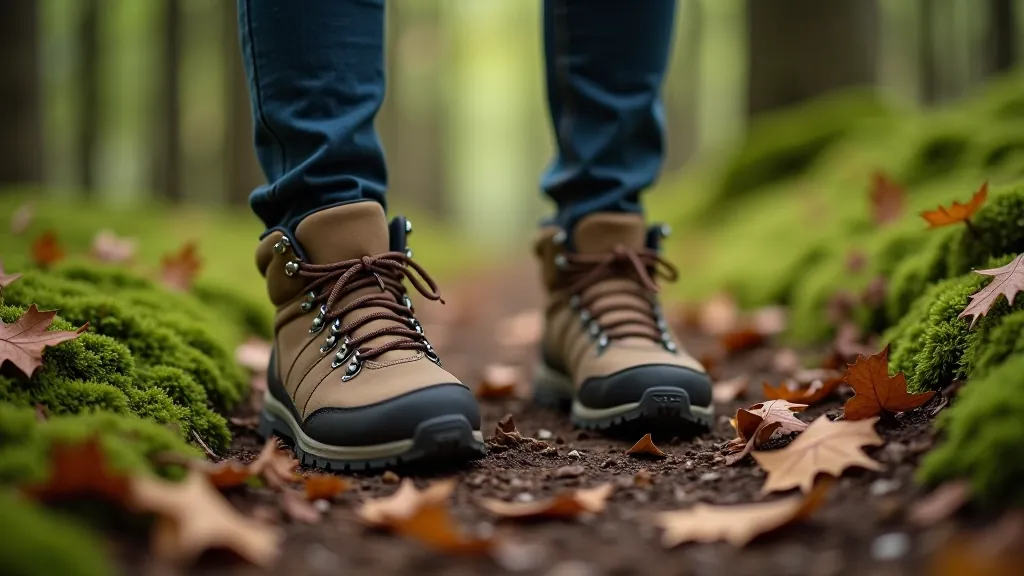
Wear walking shoes with good ankle support and grip. The paths are packed gravel and earth — not technical — but you'll be on your feet for 2–3 hours. Comfort matters more than style here.
Sunscreen, sunglasses, and a hat aren't optional. Even on cloudy days, UV exposure adds up. The river reflects light, intensifying it. Apply sunscreen before you start, not halfway through.
May through September is ideal. Spring brings wildflowers, summer's warm but not scorching, autumn offers color without crowds. Winter's doable but paths can be icy — check conditions first.
Start early. You'll avoid afternoon crowds, and the light's better for photography. Plus, you'll be back well before fatigue sets in. Parking at Sigulda is free and spacious. The park's not commercialized, which means fewer vendors but also fewer bathrooms — plan accordingly.
Tell someone where you're going and when you expect to be back. It's not because the park's dangerous — it's just sensible. Bring a simple map or use your phone's offline maps feature. Cell signal is spotty in some sections, so don't rely on GPS alone.
Wear layers. Weather changes fast. Mornings are cool even in summer, and you'll warm up quickly once you're moving. Pack a light jacket in your bag. If you're going with a group, set a realistic pace before you start. Don't let anyone push the group faster than is comfortable. Stopping frequently isn't failure — it's the whole point.
Gauja isn't remote or intimidating. It's accessible, genuinely beautiful, and designed for exactly what you're looking for — a proper walk without the strain. The three routes we've covered range from a quick morning outing to a full afternoon adventure. All of them share the same qualities: flat terrain, good signage, and plenty of places to rest.
The hardest part isn't the walk itself. It's deciding which route to try first and actually booking the time. But once you're there, moving through the forest with the river in the background, you'll remember why you wanted to walk in the first place. It's not about achieving something. It's about being somewhere that matters.